

Looking for evidence-informed resources or programs?




Road Safety Resources
Find road safety education resources relevant to your teaching and learning needs.

Book your 2026 Road Safety Programs Now
View our featured road safety education programs and book your spot for 2026.
Download hereFree Education Resources for All Ages
Explore evidence informed programs, lesson plans and resources for babies, children, adolescents, and young adults.
Find resourcesRoad Smart Interactive
Feature Program
Road Smart Interactive is a free road safety education incursion program for year 9, 10, 11 and VCE VM students. It is available for all Victorian secondary schools.
Learn moreBike Ed
Feature Program
Bike Ed is a program for primary and secondary students and is designed to help build bike riding and road safety skills.
Learn morePopular Resources
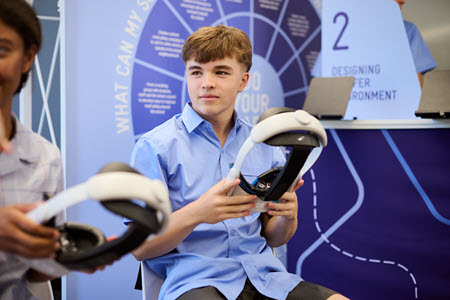
Road Smart Interactive
Road Smart Interactive is a new, evidence based, highly interactive road safety education program.
Road Smart Interactive
Road Smart Interactive is a new, evidence based, highly interactive road safety education program.

E-Scooters in Victoria
Information relating to e-scooter use in Victoria
E-Scooters in Victoria
Information relating to e-scooter use in Victoria

Road to Zero: Road Safety Education Experience
Road to Zero is a world first road safety education centre.
Road to Zero: Road Safety Education Experience
Road to Zero is a world first road safety education centre.

Being a Safe Pedestrian
In this lesson, students investigate risks for pedestrians, strategies for staying safe, and plan a safe walking route.
Being a Safe Pedestrian
In this lesson, students investigate risks for pedestrians, strategies for staying safe, and plan a safe walking route.

Starting out Safely
Starting out Safely is Victoria’s early childhood road safety education program.
Starting out Safely
Starting out Safely is Victoria’s early childhood road safety education program.
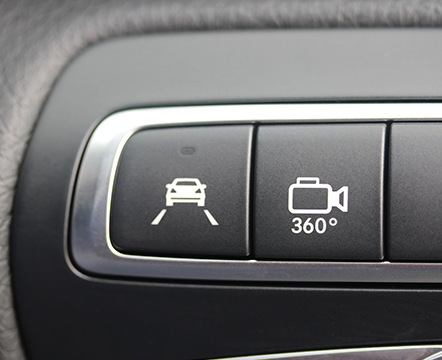
Safer Vehicles Save Lives
In this lesson, students are introduced to different types of vehicle safety features.
Safer Vehicles Save Lives
In this lesson, students are introduced to different types of vehicle safety features.